A hair transplant is not just a surgical procedure—it is a journey that continues well after the surgery is completed. While advanced techniques and expert doctors play a major role, your diet is equally important in determining how well your transplanted hair grows. Choosing the right foods for hair growth after hair transplant helps improve graft survival, speeds up healing, and supports stronger, healthier hair regrowth.
In India, where dietary habits vary widely, following a balanced and practical diet after hair transplant in India can make a visible difference in your final results. This detailed guide explains what to eat, what to avoid, and how to structure your meals for the best recovery and hair growth.
After a hair transplant, your scalp undergoes a healing phase where newly implanted follicles need proper nourishment. These follicles rely on blood supply and essential nutrients to settle into the scalp and start producing new hair.
A poor diet may slow healing, increase hair shedding, and delay visible growth. On the other hand, a nutrient-rich diet improves circulation, strengthens hair roots, and supports faster recovery. This is why doctors strongly recommend focusing on nutrition as part of your post-surgery care.
Following the right hair transplant recovery diet helps:
Talk to our experts and explore the right treatment for you.
Your body needs specific nutrients to repair tissues and stimulate hair growth after surgery. Including the right balance of proteins, vitamins, minerals, and healthy fats is essential during recovery.
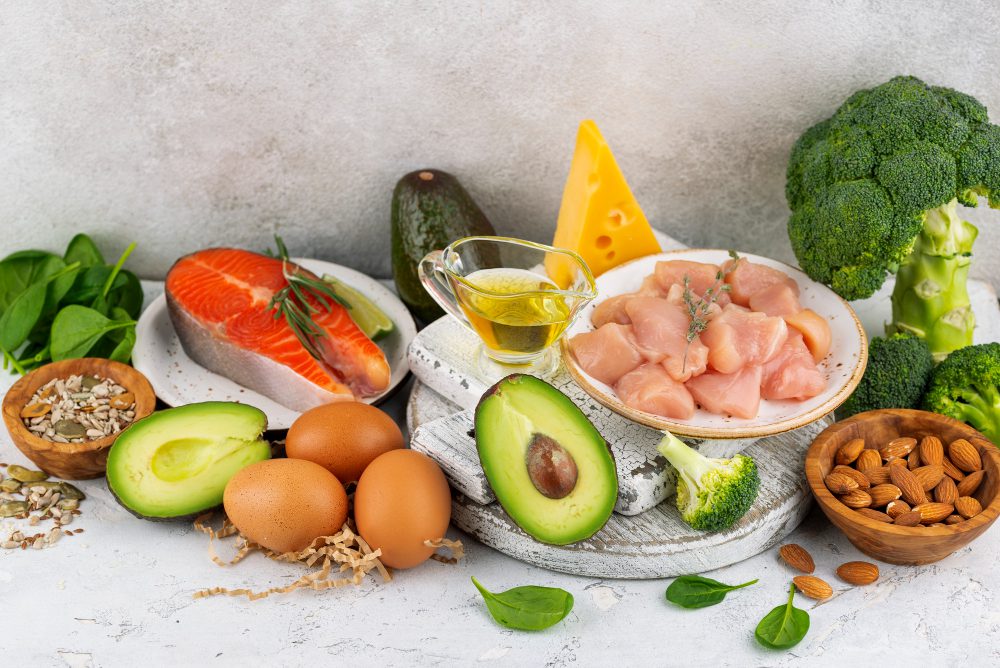
Hair is primarily made of keratin, a type of protein. A protein-deficient diet can weaken transplanted hair and slow regrowth. Including adequate protein is one of the most important parts of a hair transplant recovery diet.
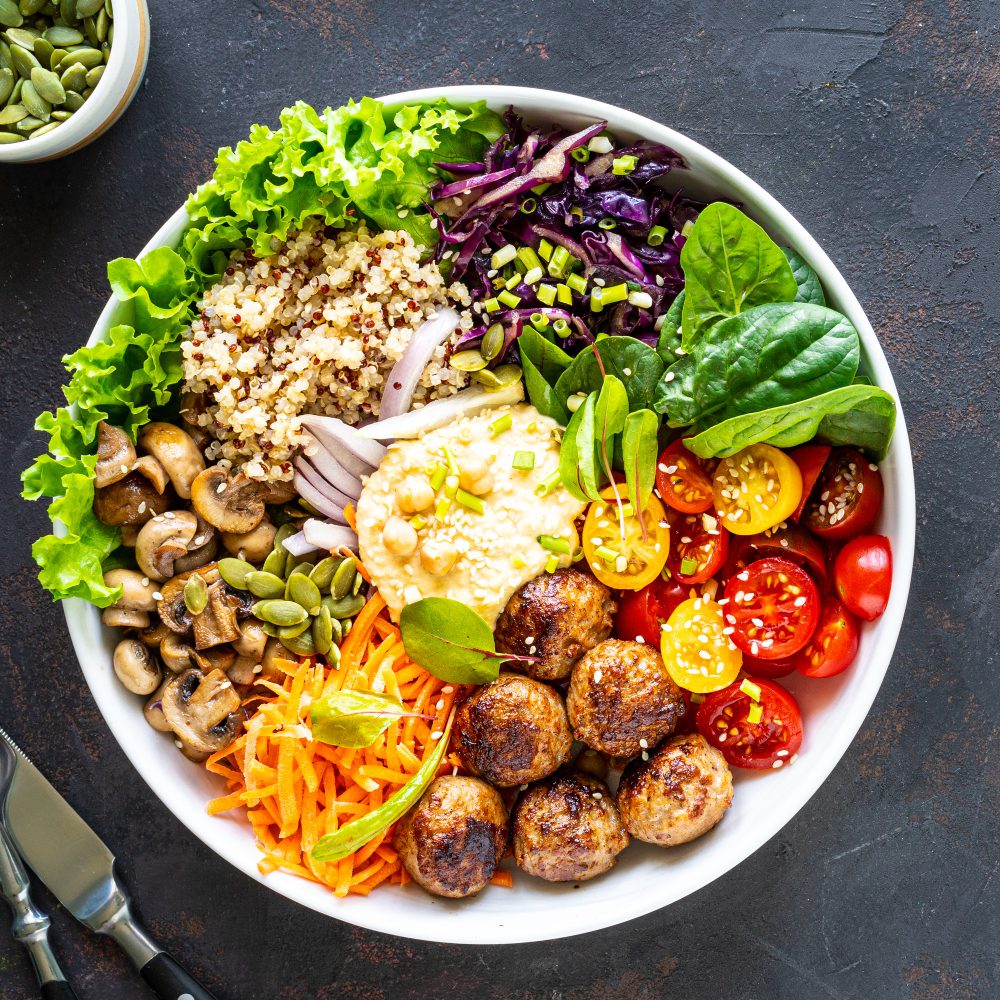
The best protein sources include:
These foods help repair damaged tissues and support the formation of strong hair shafts.
Micronutrients play a crucial role in hair follicle function and scalp health.
Include foods such as green leafy vegetables, citrus fruits, bananas, apples, beetroot, and dates to meet these requirements naturally.
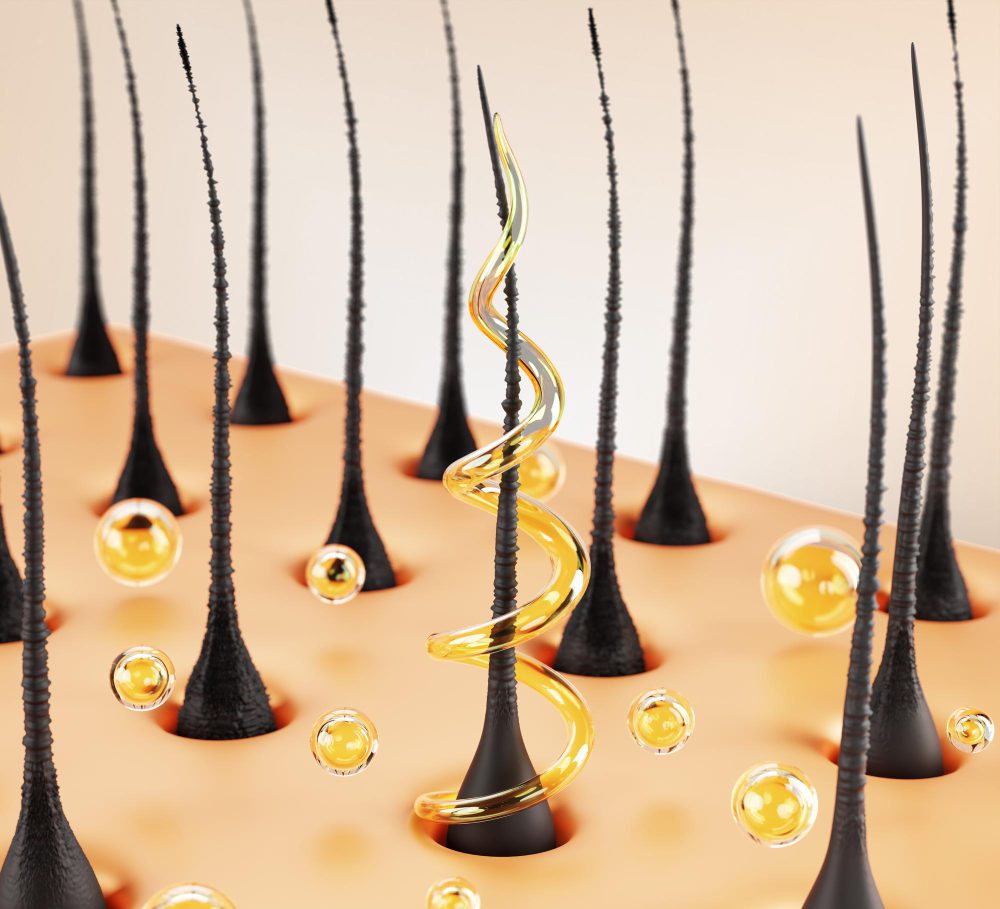
Healthy fats improve blood circulation and reduce dryness of the scalp. They also help reduce inflammation after surgery.
Good sources include:
Including healthy fats in moderation supports overall scalp health and hair growth.
Choosing the best food after hair transplant surgery depends on digestibility, nutrient value, and your body’s tolerance during recovery.
Vegetarian Indian diets can fully support hair regrowth when planned correctly. Ideal vegetarian options include: Spinach, broccoli, and methi Fresh fruits like oranges, papaya, and pomegranate Milk, curd, and paneer Whole grains such as oats and brown riceThese foods provide vitamins, minerals, and antioxidants essential for healing.
For those who consume non-vegetarian food, lean animal protein can accelerate recovery. Recommended options include: Eggs Fish rich in omega-3 fatty acids Chicken (boiled or grilled)Avoid spicy or oily preparations during the initial recovery period.
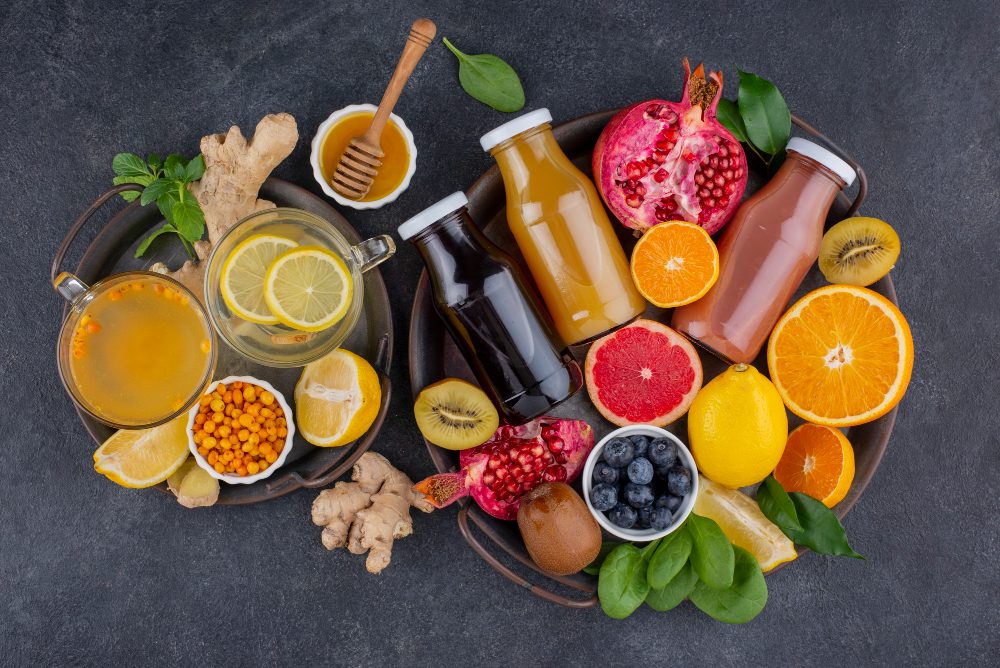
Staying hydrated is often overlooked but is critical for healing. Proper hydration improves blood circulation and nutrient delivery to hair follicles. Drink: Plenty of water Coconut water Fresh fruit juices (without added sugar)Avoid carbonated drinks and alcohol during recovery.
Indian home-cooked food can be extremely effective for hair regrowth when chosen wisely. Simple meals with balanced nutrients work best during recovery.Examples of hair growth foods after transplant include:Dal with roti or rice Vegetable khichdi Curd with fruits Vegetable soupsThese foods are easy to digest, reduce inflammation, and provide essential nutrients without burdening the body.
Equally important as eating the right foods is avoiding harmful ones. Certain foods can delay healing or negatively impact hair growth. Avoid:Oily, fried, and junk foods Excess sugar and sweets Alcohol and smoking Highly processed and packaged foodsFollowing these restrictions as part of your diet after hair transplant in India helps ensure better graft survival and long-term results.
A structured diet plan makes it easier to stay consistent. Morning: Warm water Fruits or soaked nutsBreakfast: Eggs or vegetable omelette / oats / pohaLunch: Dal, sabzi, roti or rice CurdEvening Snack: Fruits or nutsDinner: Light meal with vegetables and proteinThis balanced plan supports healing and continuous hair growth.
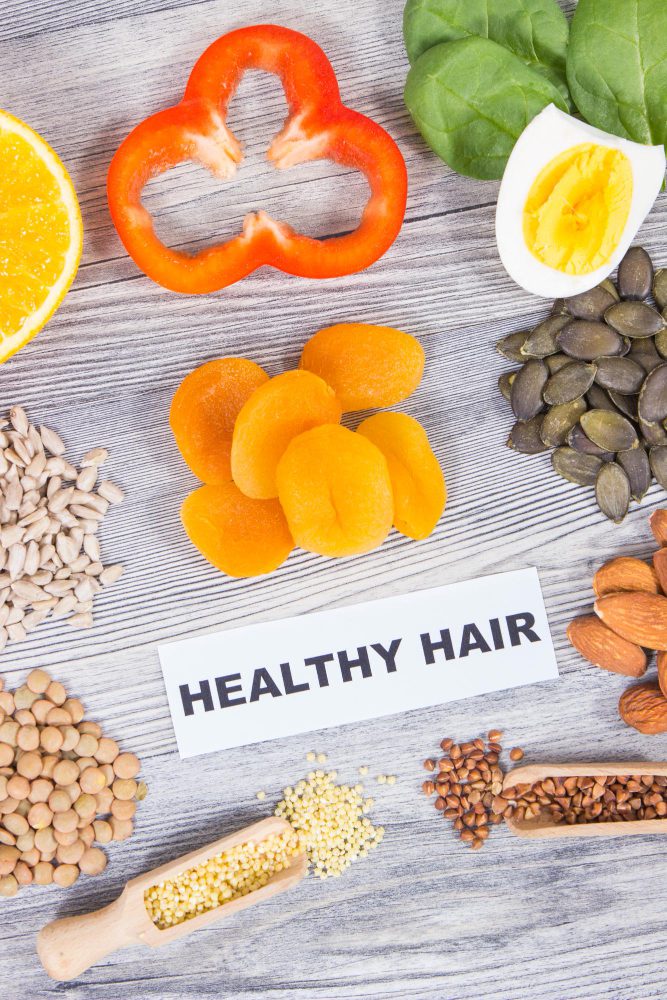

A strict recovery diet is recommended for at least the first 3 months after surgery. However, maintaining healthy eating habits long-term improves hair thickness and overall scalp health.
Hair growth is gradual, and consistent nutrition supports better results even beyond the initial recovery phase.
Consistency is the key to achieving the best possible hair transplant outcome.
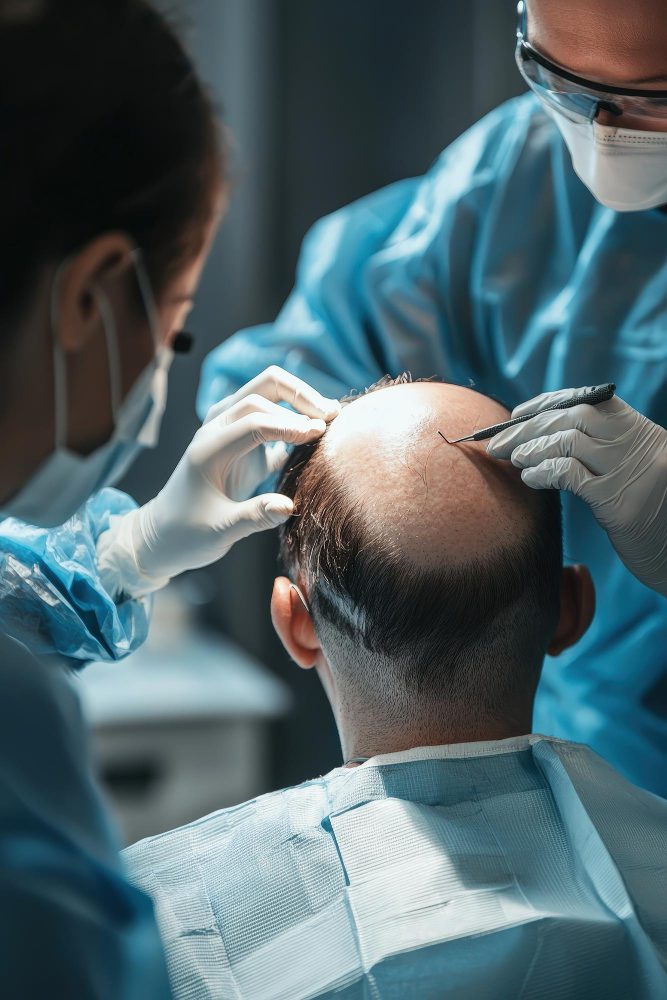
At Athena Clinic, every hair transplant patient receives personalized post-procedure care, including diet recommendations designed to support faster healing and healthy hair regrowth. Dr. Priti Singh, a trusted hair transplant specialist, guides patients on choosing the right foods for hair growth after hair transplant, based on individual health, lifestyle, and recovery needs. This expert-led approach ensures better graft survival, improved scalp healing, and long-lasting results.
At Athena Clinic, hair restoration goes beyond surgery. We specialize in both advanced hair transplant procedures and PRP (Platelet-Rich Plasma) therapy, offering a comprehensive approach to hair loss treatment and post-transplant care. Under the expert supervision of Dr. Priti Singh, every treatment plan is designed to deliver natural-looking, long-lasting results while prioritizing patient safety and comfort.
Our hair transplant procedures use modern, minimally invasive techniques that ensure high graft survival and faster recovery. Alongside this, PRP therapy is integrated as a powerful support treatment, helping strengthen existing hair, improve scalp health, and enhance the growth of transplanted follicles. This combined approach allows patients to experience improved hair density, reduced hair fall, and better overall outcomes.
Dr. Priti Singh’s expertise in both hair transplant surgery and PRP treatment enables Athena Clinic to offer personalized hair restoration solutions. Patients receive detailed guidance not only on procedures but also on aftercare, nutrition, and lifestyle changes that support optimal hair growth. This holistic and expert-led model makes Athena Clinic a trusted choice for hair transplant and PRP treatments in Ahmedabad.
Athena Clinic offers a wide range of advanced skin, hair, and aesthetic treatments designed to deliver safe, effective, and long-lasting results. All procedures are performed under expert medical supervision using FDA-approved technology.
Protein-rich foods, fruits, vegetables, nuts, and foods rich in vitamins and minerals help transplanted hair grow faster.
A balanced Indian diet with dal, vegetables, fruits, curd, eggs, and nuts is best for hair transplant recovery.
Eggs, green leafy vegetables, fruits, curd, and lentils are considered the best foods after hair transplant surgery.
Yes, a proper hair transplant recovery diet improves graft survival, healing, and overall hair growth results.
You should follow a recovery-focused diet for at least 3 months after the hair transplant for best results.
Yes, milk and dairy products provide protein and calcium, which support healing and hair growth after transplant.
Yes, eggs are rich in protein and biotin, making them excellent for hair growth after transplant.
Yes, non-vegetarian foods like eggs, fish, and chicken are safe and beneficial if cooked lightly and not oily.
Oily foods, junk food, alcohol, smoking, and excess sugar should be avoided after a hair transplant.
Yes, rice is allowed, but it should be eaten in moderation along with protein and vegetables.
Tea and coffee can be taken in moderation, but excessive caffeine should be avoided during recovery.
Yes, coconut water helps maintain hydration and supports faster recovery after hair transplant.
Supplements may help, but they should only be taken if recommended by your hair transplant doctor.
Yes, a well-planned vegetarian diet with dal, paneer, fruits, and vegetables fully supports hair growth.
Initial hair growth usually begins within 3–4 months, with visible results improving over 6–12 months.
Choosing the right foods for hair growth after hair transplant plays a vital role in your recovery and final results. A balanced hair transplant recovery diet, tailored to Indian eating habits, supports faster healing and healthier hair regrowth. By following a disciplined diet, avoiding harmful foods, and staying consistent, you can significantly enhance the success of your hair transplant and enjoy long-lasting, natural-looking results.
Posted on GoogleTrustindex verifies that the original source of the review is Google. It has been an amazing experience from the first consultation to surgery for hair transplant to post-surgery treatments. Dr. Preeti, Ashaben and surgery team are very knowledgeable and supportive to make the process as smooth as possible. I am very happy with the result and would like to thank everyone.Posted on GoogleTrustindex verifies that the original source of the review is Google. Good Skin & Hair fall treatment services provided at very affordable cost , Dr.Preeti Team makes Post care followup also very timely . I recommend this place to othersPosted on GoogleTrustindex verifies that the original source of the review is Google. I had a hair transplant at Athena Clinic 5 months ago and I'm very happy with my hair transplant and the results. Hair growth is good. My hair transplant experience at Athena Clinic was excellent. Dr. Preeti Singh was very professional, patient, and reassuring throughout the process. She explained everything clearly and made sure I was comfortable every step of the way. staff was very polite and supportive Overall process was easy and well-managed, and I'm very happy with the care I received. I would definitely recommend Athena Clinic and Dr. Preeti Singh to anyone considering hair transplant.Posted on GoogleTrustindex verifies that the original source of the review is Google. Done my HT from Athena last December....I'm satisfied with the entire procedure ...Dr. Preeti resolves all your doubts before you chose to go for HT....Staff who performs the procedure are truly professional and experienced.....thanks to Asha ma'am for amazing co-operation.....I would like to specially thank Harsha ma'am for all her efforts!!!! Now the highlight of this entire Experience is that THEY ARE THERE FOR YOU EVEN AFTER THE PROCEDURE IS DONE!...what I mean by that is they provide so much surety or you can say kind of guarantee that you feel so so so comfortable for the future...if anything goes sideways or anything needs correction then in those cases they are always there to help you, Which gives you a mental comfort in a way which is very important in procedures like this!!! I would surely recommend this clinic. And trust me when I say this because I have been to half a dozen of clinics for consultation before I chose Athena! Thank you Dr. Preeti Singh.Posted on GoogleTrustindex verifies that the original source of the review is Google. My hair transplant treatment was on 2nd February 2026 at Athena Clinic. My overall experience at the clinic was very good. The doctors and staff were very calming, kind, and professional throughout the entire process.Posted on GoogleTrustindex verifies that the original source of the review is Google. The atmosphere is really good here and the staff is also very friendly here and no compromise in your satisfaction and resultPosted on GoogleTrustindex verifies that the original source of the review is Google. It's really a good experience for me and I happily choosed Athena youthencore clinic to get my hair and confidence back. Thank you so much to Doctor and supporting staffs.Posted on GoogleTrustindex verifies that the original source of the review is Google. I got the treatment there, the doctor explained it well and the staff there is also good and my hair transplant experience was very good.Posted on GoogleTrustindex verifies that the original source of the review is Google. I recently underwent a hair transplant at Athena Clinic and I’m very happy with my decision. From the first consultation, the team was transparent and took time to clear all my doubts. Special thanks to Dr. Priti and Asha Ma’am for their supportive and professional approach. The entire staff was polite, caring, and made the whole process comfortable. The procedure was almost painless, hygiene standards were excellent, and the clinic’s infrastructure is very good. I appreciate the strong after-care support, which has been responsive and reassuring so far. Everything is going smoothly, and I’m confident about good results in the coming months. Thank you, Athena Clinic 🙏

Athena Clinic Is One Of The Best Hair And Skin Treatment Clinic In Ahmedabad. Our Clinic’s Extensive Range Of Services Includes Skin And Hair Care Services.
Book your appointment today for expert skin, hair, and wellness care personalized to your needs and led by experienced doctors.