Making the decision to have a hair transplant is a major life choice, but the actual transition takes place during the recovery process. By understanding what to expect after a hair transplant, you can alleviate concerns, ensure a smooth healing process, and achieve optimal results.
Under the guidance of Dr. Priti Singh, every patient at Athena Clinic in Ahmedabad is provided with a comprehensive and medically supervised recovery plan. This ensures that the healing process remains safe and that the new growth of hair takes place in a natural manner. Starting from the day of the surgery, this guide will help you through every step of the healing process.
When you are in the competent care of an experienced specialist, the healing process after a hair transplant is predictable and easy. To reduce discomfort, scarring, and recovery time, Dr. Priti Singh and her team at Athena Clinic use the most recent FUE hair transplant techniques.
After the procedure:
Dr. Priti Singh ensures that each patient is thoroughly aware of the recovery process and follows a personalized recovery plan for optimal results.
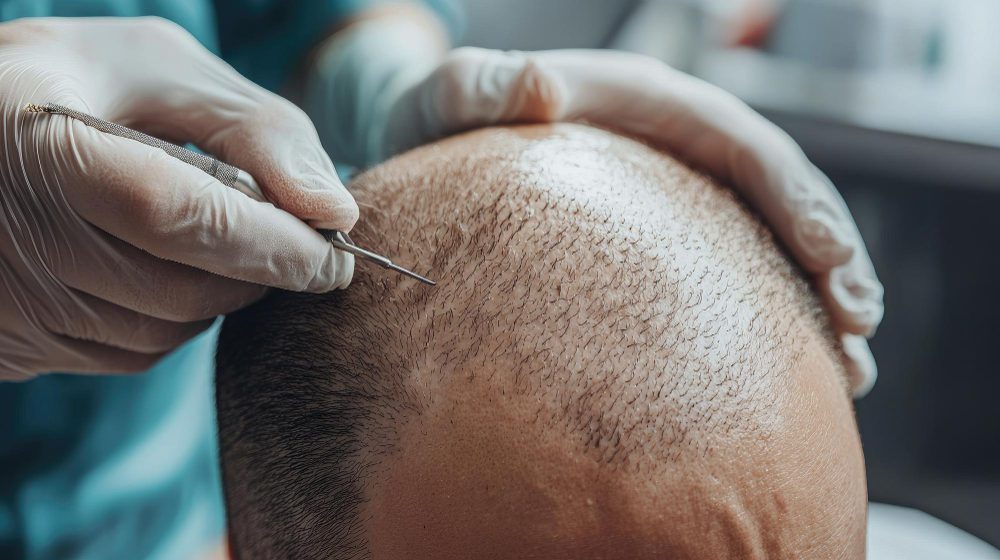
On the day of your hair transplant at Athena Clinic:
Dr. Priti Singh and her team explain how to sleep, move, and care for your scalp during the first 24 hours—this stage is crucial for graft survival.
Following a hair transplant, the first few days are crucial for protection and rest.
What you may experience:
Care instructions include:
At Athena Clinic, patients receive direct guidance from Dr. Priti Singh to ensure these early days pass smoothly.
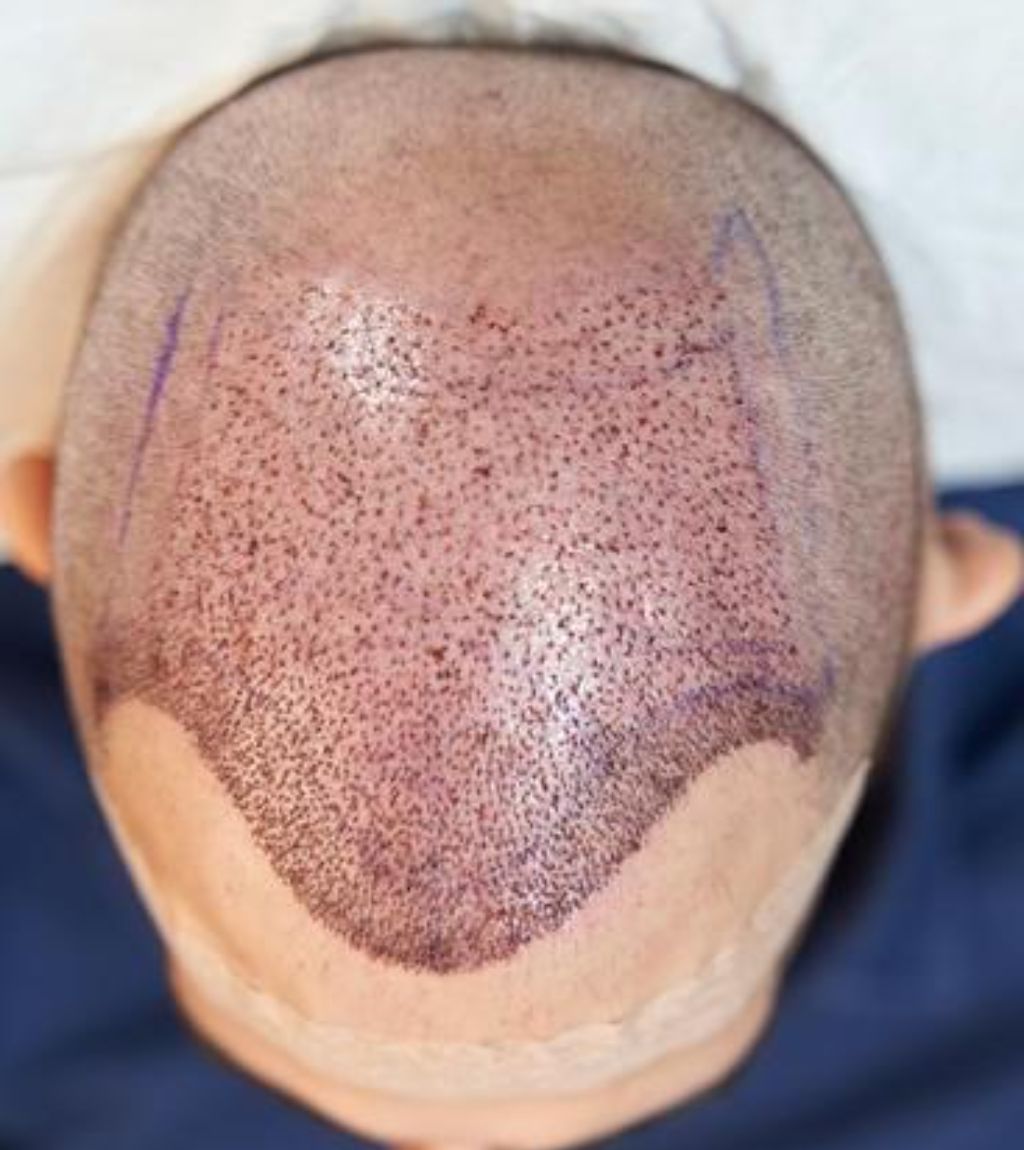

During this stage:
Patients are typically permitted to begin gently washing their scalps using the method that the clinic demonstrates. Washing properly promotes healing and guards against infection without upsetting grafts.
Important note:
Scabs are a normal part of hair transplant recovery—never pick or scratch them.
This phase marks visible improvement in the scalp.
By the end of two weeks, transplanted follicles are secure. At Athena Clinic, follow-up checks ensure healing is progressing as expected.


Many patients worry during this stage—but it’s completely normal.
What happens:
This process, known as shock loss, is temporary. Dr. Priti Singh educates patients beforehand to prevent unnecessary stress—this phase is a sign that follicles are entering a natural growth cycle.
During months two and three:
This is a resting phase where follicles strengthen beneath the scalp. At Athena Clinic, patients are reassured that this silent phase is essential for strong regrowth.
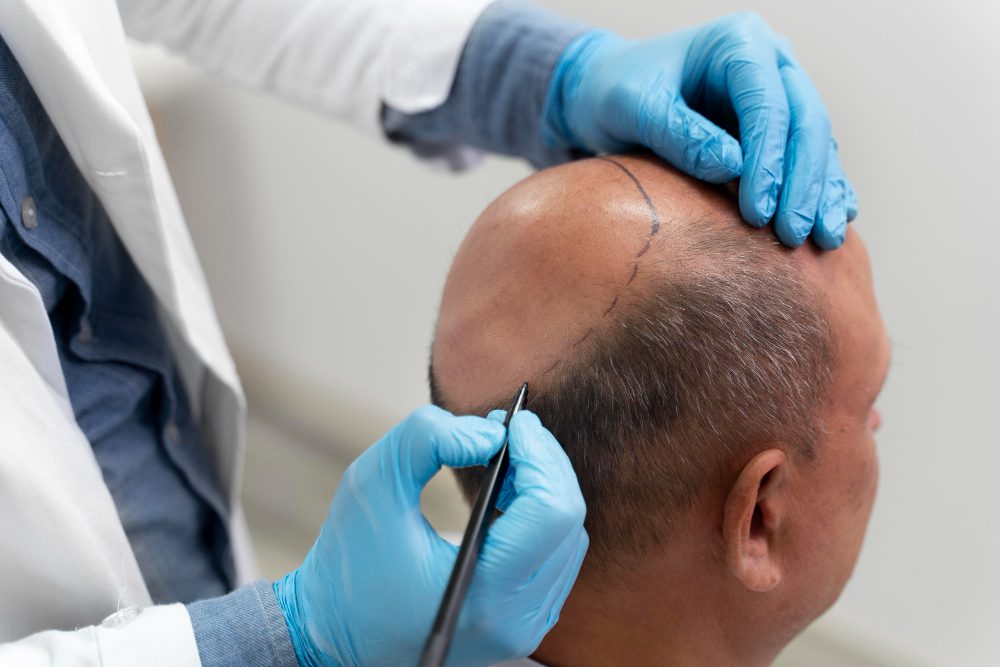
This is when excitement builds.
What you’ll notice:
New hair may appear thin or wavy initially—this normalizes over time. Regular follow-ups with Dr. Priti Singh help track progress and adjust aftercare if needed.
During this stage:
Most patients now see clear improvement and feel reassured about their hair transplant results.
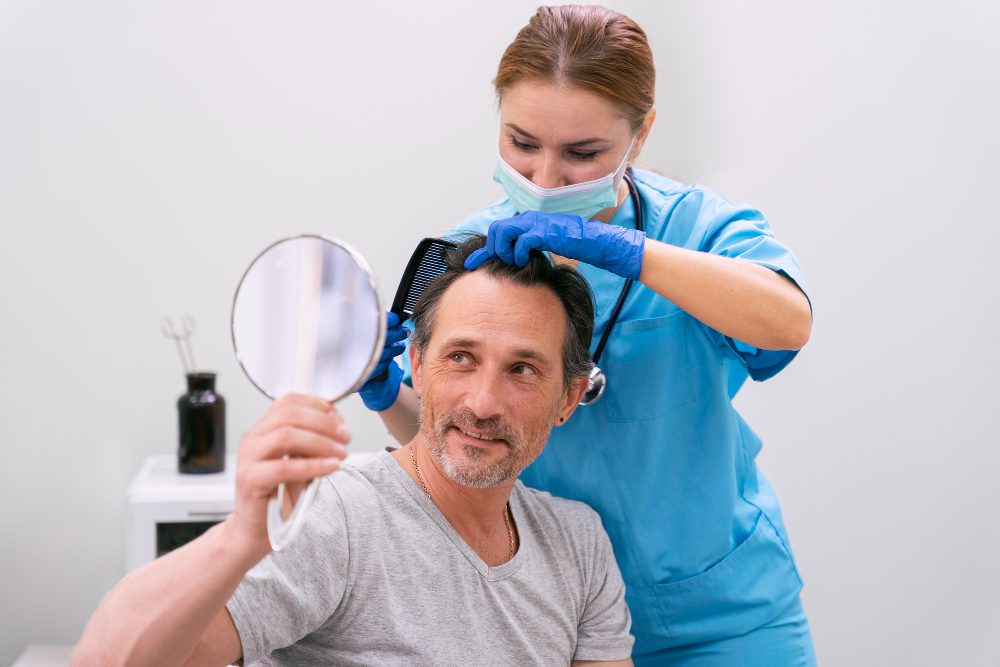

By the end of one year:
Athena Clinic focuses on natural hairline design and long-term satisfaction, ensuring results age well over time.
Behind the success of Athena Clinic is Dr. Preeti Singh, a well-known and caring hair expert whom patients rely on in Ahmedabad. With extensive experience in dermatology and trichology, Dr. Preeti has become recognized because she always offers honest advice, advanced treatment methods, and an assurance of results that look natural.
She is of the view that each and every patient is entitled to ethical treatment, communication, and transformation rather than false promises. That’s one reason people head towards Athena Clinic for the best trichologist in Ahmedabad.

To ensure a successful recovery, avoid the following:
Athena Clinic emphasizes patient education to prevent these common recovery mistakes.
Patients across Ahmedabad trust Athena Clinic because of:
Recovery is not just monitored—it’s carefully guided at every step.
Contact the clinic if you notice:
Early communication ensures quick resolution and peace of mind.

No. Mild discomfort may occur initially, but it is manageable with medication.
Initial healing takes 7–14 days, while full results appear in 10–12 months.
Most patients return to work within 2–5 days, depending on their job type.
You can wear a loose cap after 7–10 days, but helmets should be avoided for at least 3–4 weeks to protect the grafts.
Light walking is allowed after 7 days, while heavy workouts and gym activities should be avoided for 3–4 weeks.
With FUE hair transplants at Athena Clinic, scarring is minimal and usually invisible once healing is complete.
Yes, excessive stress can slow recovery, but following Dr. Priti Singh’s aftercare plan ensures healthy regrowth.
Yes, temporary swelling is common and subsides within a few days.
Yes. Transplanted follicles are DHT-resistant and designed for long-term growth.