Top 10 Myths About Hair Transplants That Are Just Not True
Hair transplant treatments are surrounded by confusion, misconception, and outdated information. With advanced techniques like FUE and DHI, hair restoration today is safer, more natural, and more effective than ever before. Unfortunately, myths still stop many people from considering a permanent solution for hair loss.
Understanding the reality behind hair transplants helps you make informed decisions—whether you’re exploring male hair transplants, female hair transplants, or long-term hair loss management. Let’s break the most common myths and uncover the truth.
Myth 1: Hair Transplants Look Artificial
Truth:
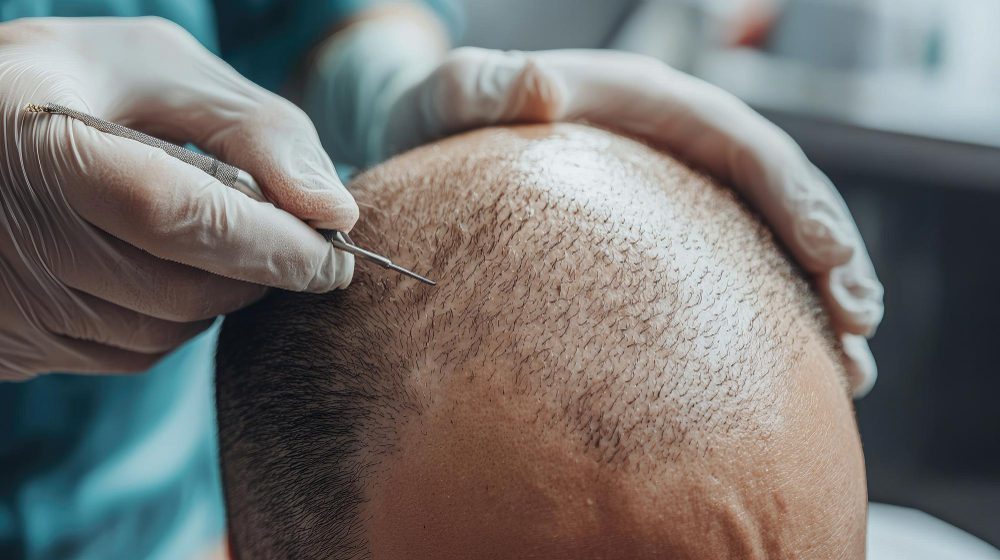
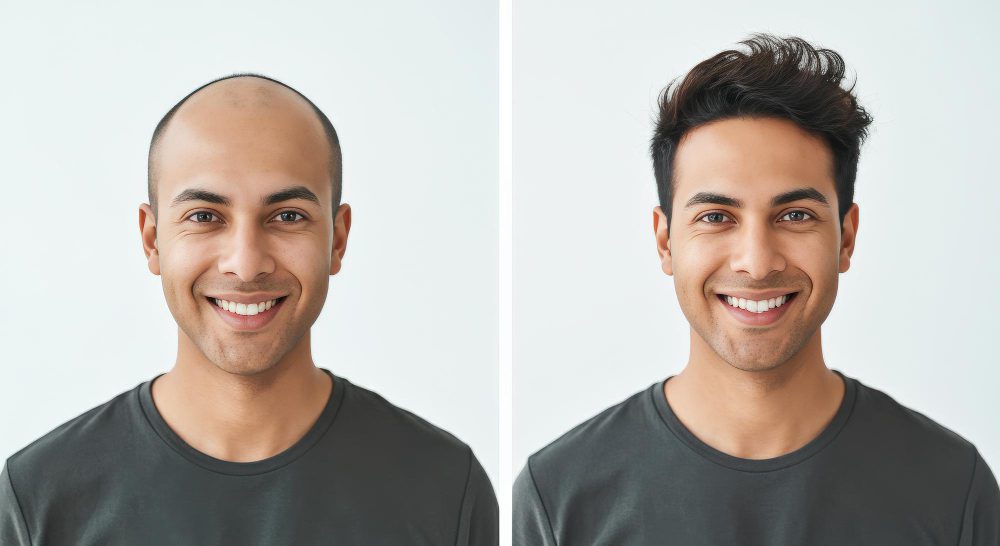
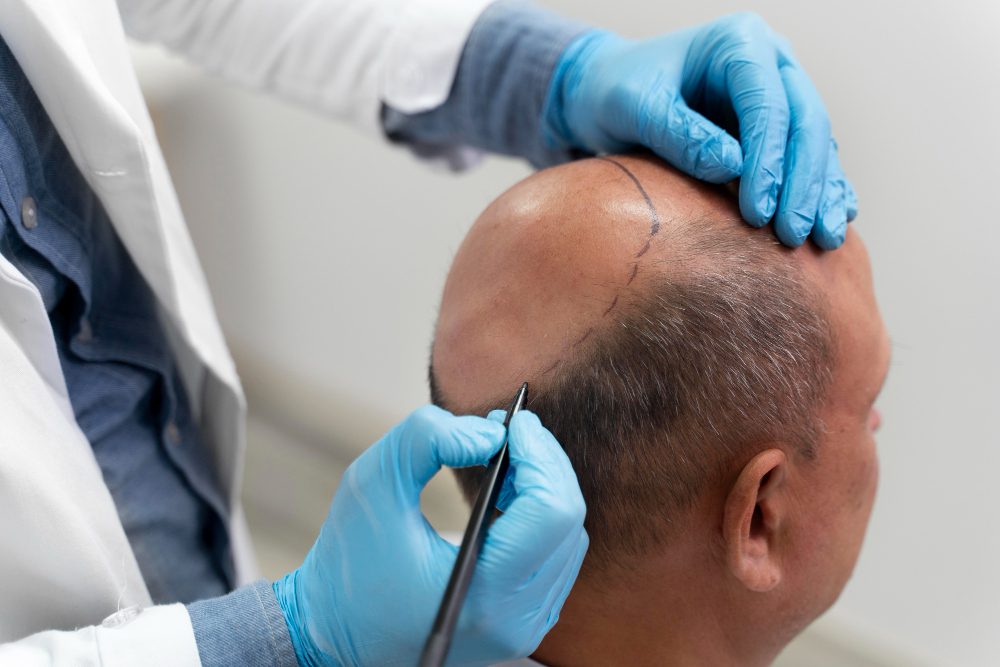
Modern hair transplants are designed to look absolutely natural. At Athena Clinic, hairlines are customized according to facial structure, age, and natural hair direction. Advanced FUE and DHI techniques ensure precise follicle placement, resulting in realistic density and growth patterns that blend seamlessly with existing hair.
Myth 2: Hair Transplant Is Only for Men
Truth:
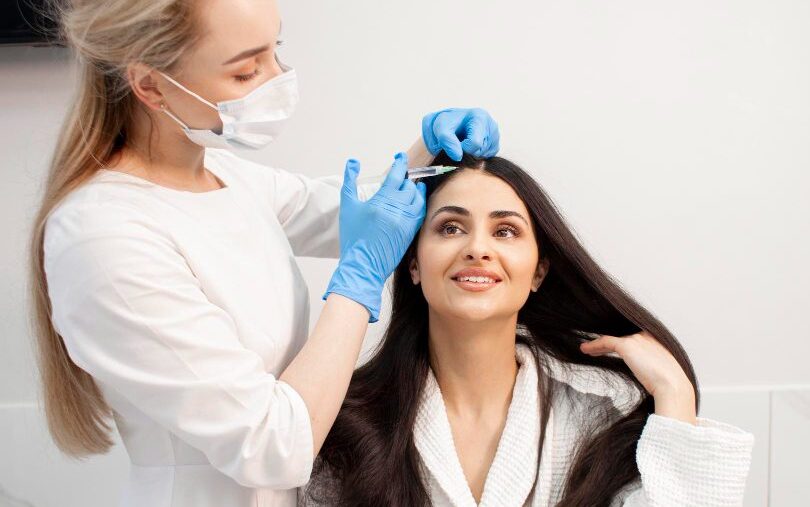
Hair transplant is equally effective for women. Female hair transplants help treat thinning crowns, widening part lines, traction alopecia, and genetic hair loss. With proper evaluation, women achieve excellent density without shaving the entire head.
Myth 3: Hair Transplant Is a Painful Procedure
Truth:
Hair transplant surgery is performed under local anesthesia, making the procedure comfortable. Most patients report minimal discomfort during and after treatment, with mild soreness subsiding within a few days.
Myth 4: Hair Transplant Results Are Instant
Truth:
Hair growth is a gradual biological process. After the transplant, initial shedding is normal. New hair starts growing within 3–4 months, while full results appear between 9–12 months, ensuring strong and permanent growth.
Myth 5: Transplanted Hair Will Fall Out Again
Truth:
Transplanted hair follicles are taken from DHT-resistant areas, making them permanent. With proper aftercare, medications if advised, and a balanced diet including foods that promote hair growth, results last a lifetime.
Myth 6: Hair Transplants Are Unsafe
Truth:
When performed by qualified specialists in a sterile medical setup like Athena Clinic, hair transplant procedures are extremely safe. Strict protocols minimize risks and promote faster healing.
Myth 7: Hair Transplant Is Only for Completely Bald People
Truth:
Early intervention gives better results. Hair transplant works best for receding hairlines, thinning crowns, patchy hair loss, and partial baldness—making it ideal for both male hair transplant and female cases.
Myth 8: Hair Transplant Requires High Maintenance
Truth:
Transplanted hair grows just like natural hair. You can wash, cut, oil, and style it normally. Basic scalp care, healthy lifestyle habits, and proper nutrition are enough to maintain results.
Myth 9: One Hair Transplant Stops All Future Hair Loss
Truth:
While transplanted hair is permanent, natural hair may continue to thin. Doctors at Athena Clinic often recommend supportive treatments, medications, and nutrition plans to preserve existing hair.
Myth 10: Hair Transplant Is Too Expensive
Truth:
Hair transplant is a long-term investment. Compared to recurring costs of temporary treatments, a transplant offers permanent results. Athena Clinic provides transparent pricing and customized plans to suit individual needs.
Why You Should Choose Athena Clinic
Athena Clinic is trusted for ethical hair restoration and patient-centric care. Here’s why patients choose us:
Expertise in hair transplant
Advanced FUE & DHI techniques for natural results
Personalized treatment and hairline design
Post-transplant guidance, including foods that promote hair growth
High safety standards and modern infrastructure
Honest consultations with realistic expectations
Advanced Hair Restoration Expertise at Athena Clinic
Our innovative treatments include skin, hair, and aesthetic solutions, all of which are headed by experienced medical experts and supported by FDA-approved technology for safe and effective results.
Hair transplant is performed under local anesthesia, so the procedure is the painless. Mild discomfort and pain after surgery subsides within a few days.
The ideal age group for hair transplant is 25-55 years, but it depends on the pattern of hair loss, quality of the donor site, and the patient’s health.